

How do you manage change during the deployment of an IS project?
Implementing an information system (IS, CRM, etc.) represents a major transformation for any organization. These systems, which are crucial for integrating and automating all company processes, require considerable technological investment, as well as organizational, cultural and business change.
The success of these projects depends not only on the quality of the technology deployed, but also on the way in which the transformation is recognized and managed within the company. Change management is therefore an essential component, often decisive for the success or failure of an IS project.
Change management is a comprehensive strategic approach designed to facilitate and accelerate the acceptance of change at all levels of the organization. From preparing everyone to adopt new individual practices, to consolidating new ways of working within teams, each stage must be carefully planned and executed.
In this issue, we explore the fundamental elements of change management in IS projects, identifying the key strategies for and integrate these complex transformations.
Understanding the Basics of Change Management in an IS Project
Change management is a key discipline in the successful implementation of any IS system. It is a set of techniques and methods designed to help individuals, teams and the entire organization move from a current state to a desired future state. In the context of an IS project, this transition often involves significant changes to business processes, data systems, and employees' daily routines.
Importance of Change Management: An information system transforms the way a business operates, making change management essential to ensure that these changes are properly integrated and adopted. Without effective change management, organizations risk encountering significant resistance, which can lead to under-utilization of the system, or even total project failure. Change management helps to align IS project objectives with the company's strategic goals, ensuring that the change adds real value.
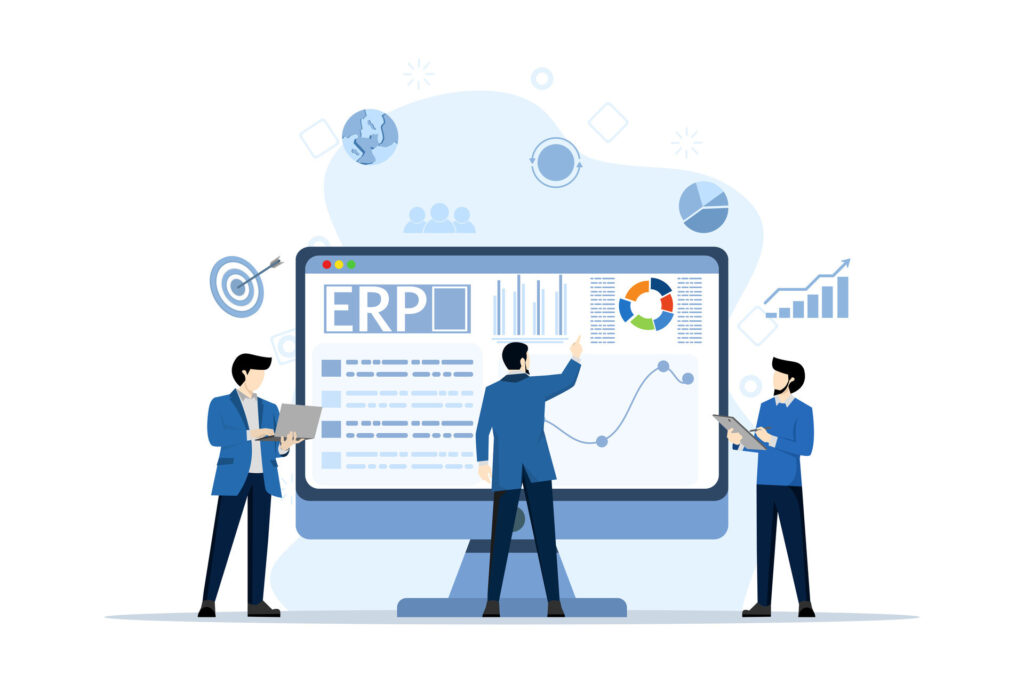
The role of change management: The main role of change management is to maximize employee commitment and minimize disruption during the transition. The specificity of an IS implementation project is its systemic nature. The impact on each stakeholder may be different, and the multiplicity of deviations needs to be managed. This means identifying the impact for each stakeholder, and measuring the business, cultural or organizational needs of each stakeholder. Communication must be tailored to each target group, and must convince them of the need for change, the proposed methodology and approach, the overall benefits for the organization, and the stages in the process. In addition, change management plays a crucial role in training and supporting users, ensuring that all members of the organization are not only ready but also competent to use the new system.
In short, change management is essential to ensure that the technical modifications introduced by the IS are adopted effectively and efficiently, thus maximizing the benefits of the change for the company. By taking these fundamental principles into account, organizations can better prepare their teams for the transition and significantly increase the chances of success for their IS project.
Key elements of Change Management in IS Projects
The success of an IS project depends not only on the technology itself, but also on how employees accept and use the new solution. To achieve this, several key elements must be taken into account when managing change:
Communication: Effective communication is the backbone of any change management initiative. It is crucial to define whether all levels of the organization need to be informed, convinced or trained on the reasons for the change, the expected benefits, and the progress of the project. You need to map out the types of stakeholders involved in the project, whether active or passive. Communication must be unique, coherent and balanced, using different media for each stakeholder. Information sessions, regular newsletters, team meetings and internal communication platforms can all play a part.
Training and Support: To maximize appropriate use of the system and data continuity, users need to be given customized training on the new IS system. This includes not only technical training sessions, but also workshops to understand how the new processes affect day-to-day work. Ongoing support, such as hotlines or helpdesks, can help resolve problems quickly, reducing user frustration and increasing confidence in the new IS.

Participation and Commitment: Involving employees in the change process may seem tribal. And yet, it's all about carefully choosing whom to question, and negotiating a compromise between divergent interests in order to significantly increase their commitment and minimize resistance. Buy-in can't be decreed, it has to be earned. This can be achieved by forming working groups representative of all departments, integrating user feedback into system design and fine-tuning, and recognizing and rewarding the efforts of those who actively support change. The commitment of leaders at all levels is also crucial, as their visible support and active participation can motivate other employees to embrace change. Counter-facilitators have their place! They help to identify resistance drivers, disrupted comfort zones and calmly identify medium- or long-term benefits.
By integrating these key elements into the change management strategy, companies can not only ensure a smoother appropriation of the IS, but also fully exploit the system's capabilities to improve organizational performance.
Identifying and Overcoming Change Management Challenges
Managing change in an Si project involves a number of challenges. Understanding these issues and implementing effective strategies to overcome them is crucial to ensuring a successful transition.
Resistance to change: Resistance to change is often one of the most costly obstacles to overcome. It can stem from fear of the unknown, a perceived loss of control, or attachment to old ways of working. This is a legitimate human reaction, and denying it is more costly than is often imagined, both financially and in terms of cultural and organizational turnover. To contain this resistance, it is essential to dialogue openly with employees, listen to their concerns and actively involve them in the change process. Feedback sessions where stakeholders can express their concerns are a great way of getting buy-in, and transparent management is an efficient way of ensuring that everyone benefits.
Strategic alignment: Another major challenge is to ensure that the IS project is aligned with the master plan. There may be divergences or even conflicts between the needs of different stakeholders, or misunderstandings about how the IS system should contribute to achieving the company's objectives. Setting up indicators and evaluating them objectively and regularly to demonstrate compliance with commitments to the company's overall strategy is essential to maintain alignment.
Managing expectations: It is also important to properly manage expectations regarding the results of the IS project. Unrealistic expectations can lead to frustration, disappointment and reduced employee satisfaction once the system is in place. Clearly defining what the system can and cannot do, and communicating regularly about progress and challenges, can help maintain realistic expectations and commitment to the project.
By anticipating these challenges and putting in place targeted strategies to address them, companies can significantly improve their IS project ownership time. A proactive and inclusive approach to change management is essential to transform challenges into opportunities for improvement and innovation.
Effective Change Management Strategies
To successfully manage change in an IS project, proactive and well-planned strategies are essential. Here are a few key approaches that can help ensure a successful transition and acceptance of the new system at all levels of the organization:
Proactive leadership: Leaders play a crucial role in the change process. They must not only promote and support change, but also act as role models for the adoption of the new system. Leadership must be visible, accessible and committed, setting a positive example and offering constant support.
Leaders must also recognize and celebrate successes as the project progresses, which can boost employee commitment and morale.
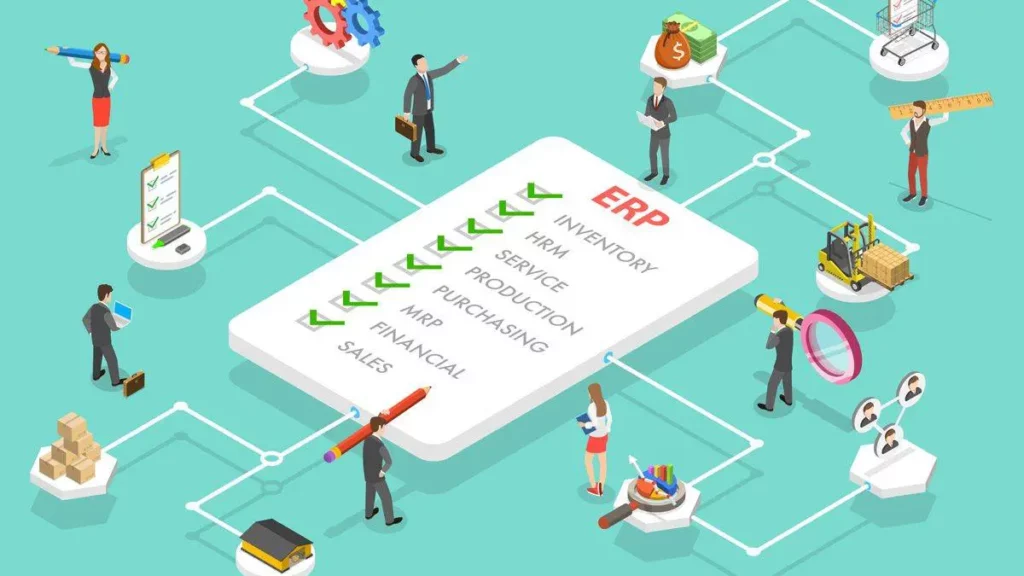
Effective communication: A well thought-out communication strategy is essential. This includes setting up clear and open communication channels where information on project progress, challenges and successes is shared regularly. Using a variety of communication formats - meetings, newsletters, online forums - can help to reach and engage different groups within the organization.
Ongoing monitoring and adjustment: Change doesn't stop with the initial implementation. Continuing to monitor medium- and long-term adoption and system effectiveness is crucial, and being ready to make adjustments based on feedback is essential. Regular evaluations help identify persistent problems or new challenges, and address them proactively.
By integrating these strategies into your overall change management approach, you can not only increase your IS project's chances of technical success, but also ensure that the system is widely accepted and valued throughout your organization.
How to Assess the Impact of Change Management
Evaluating the impact of change management is a key element in measuring the success of ERP implementation, and in ensuring that change efforts continue to bear fruit. Here are some key methods for assessing impact:
Success indicators : It is essential to define clear, measurable indicators at the outset of the project to monitor progress and evaluate the effectiveness of change management initiatives. These indicators can include user adoption rates, frequency of use of new functionalities, and business process performance improvements. Analyzing these data helps to understand the extent to which the system is integrated and valued by users.
Feedback and adjustments: Gathering regular feedback from users is essential for measuring the general feeling and acceptance of the new system. Satisfaction surveys, interviews and focus groups can provide valuable insights into the challenges faced by users, and which aspects of the system are working well or need adjustment.
Post-implementation reviews: After a significant period of use, it is beneficial to carry out post-implementation audits or reviews to assess the overall effectiveness of the system and change management practices. These reviews help to correct discrepancies, optimize workflows and reinforce working practices that support effective ERP use.
By integrating a change management assessment strategy into your ERP project, you can ensure a smoother transition and lay the foundations for optimized, ongoing use of the system. This proactive approach ensures that change management plays a key role in the success of your ERP project.
Conclusion
The integration of an IS system is a transformational project for any company, profoundly impacting internal processes and the way employees carry out their day-to-day work. In this context, change management represents a set of technical project tasks, and is at the heart of successful implementation.
Joint management of change and project milestones ensures time savings in the adoption of modifications to the IS system, and optimization to generate the greatest value for the company.
Change management, with its components of communication, training, participation and evaluation, must be seen as an ongoing strategy, integrated into the framework of the initial project. It requires the identification of activities, metrics associated with impacts, sustained commitment from operational and tactical process ambassadors, coordination of governance, managers and leaders, and constant attention to user feedback to adjust and improve the system.
By making change management a priority, companies can avoid the common pitfalls of IS projects, such as resistance to change or insufficient adoption. They can also take full advantage of their technology investment. This leads to tangible improvements in efficiency, productivity and employee satisfaction, consolidating the company's strategic position in the marketplace.
Do you have a transformation project in mind?
Our project management and support department assists SMEs and ETIs with their digital transformation projects, from project management to functional project management and change management. Contact our experts to discuss your project.